
The CodeMouse Blog

Branch Protection Rule GitHub: The 2026 Setup Guide
Learn how a branch protection rule github setup actually enforces merges, see a worked config example, and avoid the mistakes that quietly disable it.
When to Auto Approve Pull Requests: A Practical Framework
A concrete framework for when to auto approve pull requests, with PR categories, branch protection config, and the metrics to validate the policy.

CodeMouse Is Now in ChatGPT: Ask About Your Code Reviews
The CodeMouse plugin is live in the ChatGPT directory. Ask ChatGPT whether a pull request passed review, which repos are connected, or what your AI code reviews cost this week. Read-only, scoped to your accounts.

Rust Code Review Best Practices for Engineering Teams
Rust code review best practices for ownership, unsafe code, errors, concurrency, and CI gates — concrete checklists engineers can apply today.

Monorepo Pull Request Strategy: A Practical Playbook
Learn a practical monorepo pull request strategy: path-based routing, scoped CI, tiered branch protection, and automated review for growing codebases.
AI Code Review Tool: A Practical Buyer's Guide for 2026
A practical guide to evaluating an AI code review tool for your team — features, pricing models, GitHub integration, and the metrics that prove it's working.

Qodo AI Code Review: What It Does and Where It Fits
A practical look at qodo ai code review: how PR-Agent and Qodo Merge work on GitHub pull requests, what they catch, and how they compare to alternatives.
Cursor AI Code Review: Editor Assistant or PR Gate?
Cursor AI code review is great for writing code, but weak at PR time. Here's how to pair it with an automated diff-level review layer that actually catches bugs.
Azure DevOps AI Code Review: A Practical Build Guide
A hands-on guide to Azure DevOps AI code review: pipeline YAML, REST API wiring, branch policy gates, metrics, and trade-offs versus GitHub-native tools.

Claude AI Code Review: A Practical Setup Guide for PRs
A practitioner's guide to Claude AI code review — what it catches, where it misses, and how to wire it into a real GitHub pull request workflow step by step.
Rabbit AI Code Review: What It Actually Does in PRs
Searching for rabbit ai code review? Here's how CodeRabbit-style tools work inside GitHub PRs, what to check first, and where multi-model review wins.
Amazon Mandating AI Code Review: What It Means for You
Amazon mandating AI code review signals a shift from optional tooling to required PR checks — here's how to adapt the same logic at any scale.
Graphite AI Code Review: What It Does and Its Limits
A practical look at Graphite AI code review — what it catches, where stacked-diff context helps, and where a multi-model review does more for your PRs.
GitHub Copilot AI Code Review: What It Catches and Misses
A practical look at GitHub Copilot AI code review: what it catches, where it misses bugs, and how to layer it with a dedicated PR review bot.

The React Code Review Checklist Engineers Actually Use
A React code review checklist covering hooks, rendering performance, accessibility, type safety, and security — built for PRs, not generic style guides.

TypeScript Code Review Best Practices for 2026 Teams
A practical guide to typescript code review best practices: type-safety checks, generics review, automated gates, and workflow tips for 2026 engineering teams.
October Updates: Any OpenRouter Model, Validated — Plus Honest Review Headlines
What shipped in CodeMouse this October — custom OpenRouter model ids checked against the live catalog with name and pricing, plain-language PR notices when no AI provider is usable, review summaries that never contradict the verdict, and deploys that no longer interrupt reviews.

Vibe Coding Code Quality: A Practical Review Guide
A practical guide to protecting vibe coding code quality with CI gates, review workflows, and metrics that catch AI-generated bugs before merge.

Reviewing Code Written by AI Agents: A PR Playbook
A practical playbook for reviewing code written by AI agents: workflows, checklists, metrics, and policies that scale beyond human-written PR review.

How to Review AI Generated Code: A Practical Workflow
Learn how to review AI generated code with a concrete workflow covering diff hygiene, hallucinated APIs, security checks, and metrics that scale.
Code Review Best Practices for Small Teams in 2026
Practical code review best practices for small teams — workflow, metrics, CI gates, and where AI-assisted review actually helps without adding overhead.
Reducing Pull Request Review Time: A Practical Guide
A practical guide to reducing pull request review time with review SLAs, diff-size limits, CI gates, and an AI-assisted first-pass review before humans look.
Sentry AI Code Review vs PR-Time Review: What's the Gap?
Sentry ai code review searches usually mean two things. Here's what Sentry's AI actually covers, what it misses at PR time, and how to close the gap before merge.
How to Build an AI Code Review Benchmark for Your Team
Learn how to design an AI code review benchmark using your own pull requests, ground truth, and scoring rubric instead of vendor marketing claims.

GitHub Rulesets vs Branch Protection: Which to Use
GitHub rulesets vs branch protection: a practical comparison of scope, bypass control, and migration steps for teams enforcing PR merge gates.

Branch Protection GitHub Rules: The Complete 2026 Guide
A practical guide to branch protection GitHub rules — required status checks, rulesets, CODEOWNERS, and where AI code review fits into your merge gate.
GPT-4o and GPT-4.1 Are Retiring: What It Means for AI Code Review
OpenAI retires GPT-4o, GPT-4o mini, GPT-4.1 and GPT-4.1 mini on January 14, 2027. What to check if your AI code review or dev tooling pins these models, and how to migrate without disruption.

Sonar AI Code Review: What It Catches and Misses
Sonar AI code review blends SonarQube's static rules with LLM narration. Here's what it catches, what it misses, and how to close the gap in CI reviews.

A Retry Button, and the Case of the Review That Never Died
CodeMouse now has a one-click Retry on failed reviews — and the story of a "timed out" review that was actually alive the whole time, plus the watchdog fix that shipped the same day.

Day-One Opus 5.5, and a Fresh Gemini Lineup
CodeMouse now offers Claude Opus 5.5 and Opus 5, plus the Gemini 3 generation — 3.1 Pro, 3.8 Flash, and 3.5 Flash-Lite — with verified, current pricing on every model card.

You Asked, We Shipped: Native Grok Support and an Auto-Approve Switch
CodeMouse now runs xAI's Grok models natively on your own xAI key, and a new toggle lets you keep automatic reviews while a human always gives the final approval.

Big PR? CodeMouse Now Reads It in Chapters
CodeMouse now reviews oversized pull requests in multiple passes and sizes each model's reading window to what it can actually hold — no more rubber-stamp approvals on PRs too big to read in one go.

OpenRouter Batch Code Review: Open-Weight Models at Half Price in Economy Mode
CodeMouse economy mode now runs OpenRouter models through the new OpenRouter Batch API — Kimi, GLM, DeepSeek, and Qwen reviews at roughly 50% of standard per-token pricing.

Securing Pull Requests Against Supply Chain Risk
A practical workflow for securing pull requests against supply chain risk — dependency review, CI hardening, and provenance checks that actually stop attacks.

Code Review Metrics That Matter: A Practical Framework
A practical guide to the code review metrics that matter — cycle time, defect escape rate, and reviewer load — with real targets and formulas.

AI Assisted Code Review: How It Actually Works in 2026
AI assisted code review explains how model-based PR review fits into GitHub workflows, what it catches, and how to measure its real impact on cycle time.

Static Analysis vs AI Code Review: What Each Catches
Static analysis vs AI code review: what each catches, where they overlap, and how to combine both in a GitHub PR pipeline without extra CI overhead.

LLM Code Review Accuracy: What It Means, How to Measure It
A practitioner's guide to measuring llm code review accuracy on your own repo, with failure modes, a scoring workflow, and consensus tactics.

How to Automate Pull Request Reviews on GitHub
Learn how to automate pull request reviews using CI checks, branch protection rules, static analysis, and multi-model AI review, with real GitHub examples.

The GitHub Pull Request Checklist for 2026 Teams
A practical GitHub pull request checklist covering code, tests, security, and review workflow—plus how to automate it with CI and AI review tools.
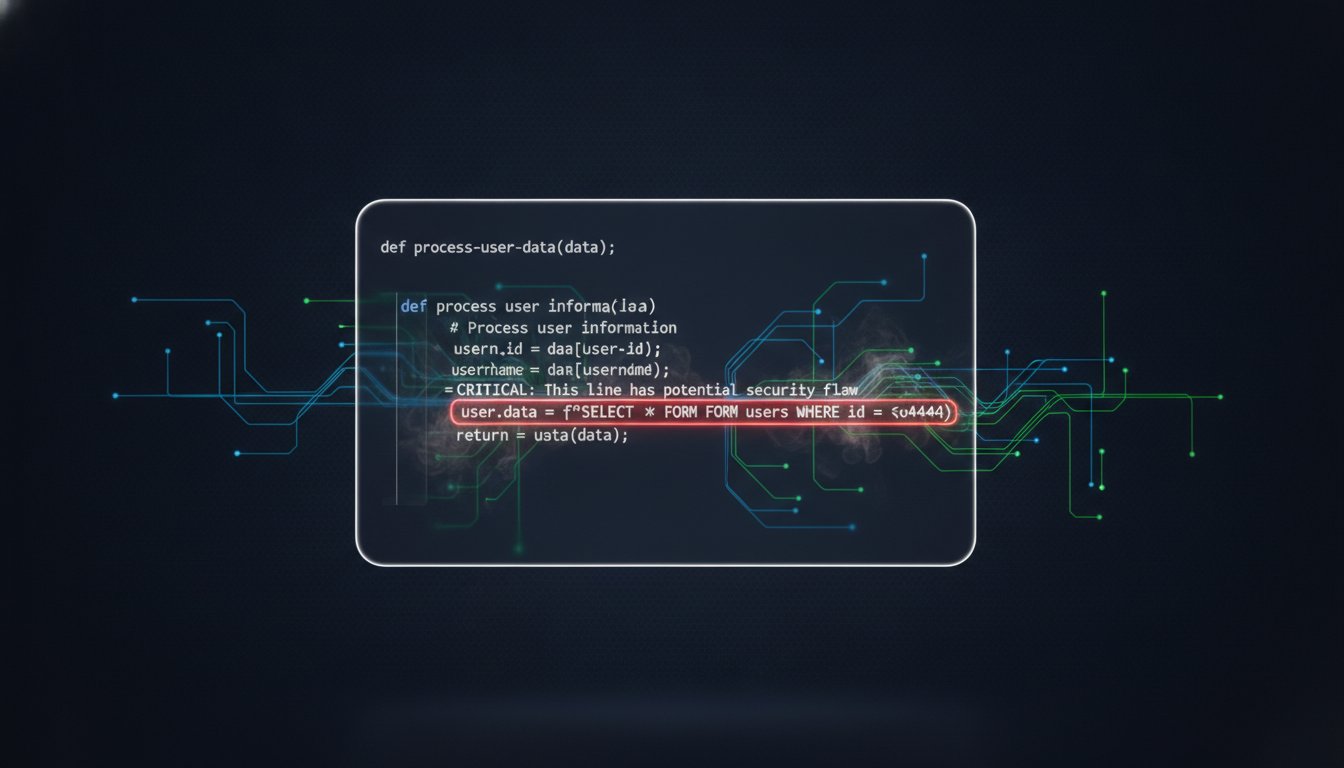
AI Code Review for Security Vulnerabilities: Beyond Static Analysis
Discover how AI code review for security vulnerabilities goes beyond SAST. Learn to use multi-model AI to find deep logic flaws and reduce false positives.
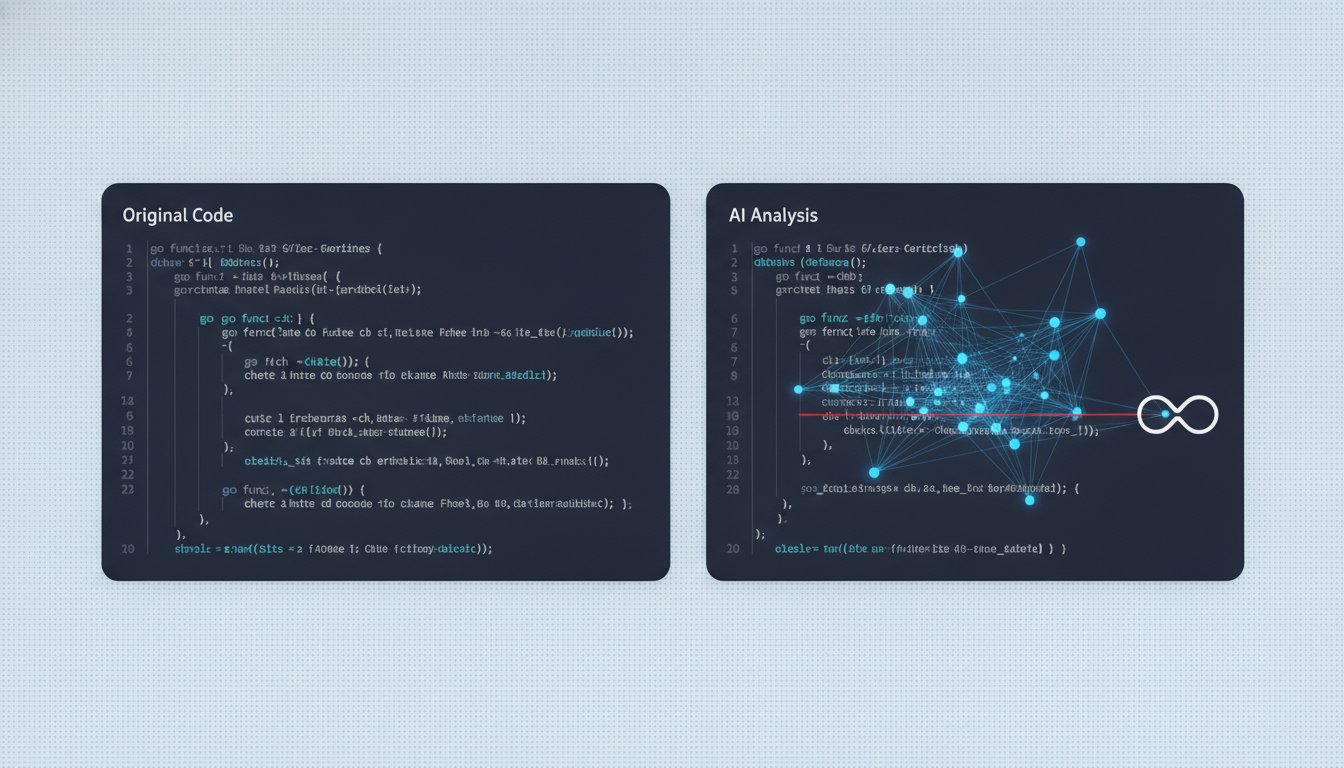
AI Code Review for Go: Examples and Patterns for 2026
Discover how AI code review for Go finds complex concurrency bugs & memory leaks that linters miss. Get examples & patterns for Go 1.26 to speed up PRs.
GitHub PR Review Bot: Automating Engineering Quality in 2026
Eliminate code review bottlenecks with a GitHub PR review bot. Learn to automate context-aware feedback, improve code quality, and speed up merges in 2026.
Claude and GPT Code Review Consensus: The 2026 Engineering Reference
Stop wasting time on AI hallucinations. Learn how a Claude and GPT code review consensus eliminates errors and boosts engineering velocity for production-gra...

Bring Your Own API Key Code Review: The 2026 Guide to BYOK Efficiency
Tired of per-seat AI costs? Our guide to bring your own API key code review shows you how to pay direct token rates for unthrottled, efficient PR checks.
AI Code Review Best Practices: A Checklist for Engineering Teams (2026)
Clogged PRs? Our 2026 checklist on AI code review best practices helps teams catch bugs faster, cut costs, and stay compliant. Stop AI noise, start shipping.
Multi-Model AI Code Review Configuration: Implementing Consensus Logic in 2026
Learn the optimal multi-model AI code review configuration. Use consensus logic with Claude and GPT to find critical bugs, reduce noise, and keep costs flat.
Claude Sonnet 4.5: 2026 Code Review & Workflow Guide
Learn to automate code reviews with Claude Sonnet 4.5. This 2026 guide details GitHub integration to reduce PR turnaround time and improve code quality.
CodeRabbit vs CodeMouse: 2026 AI Code Review Comparison
Is your Code Rabbit bill too high? This 2026 comparison explores AI code review alternatives that focus on better logic, lower costs, and BYOK models.
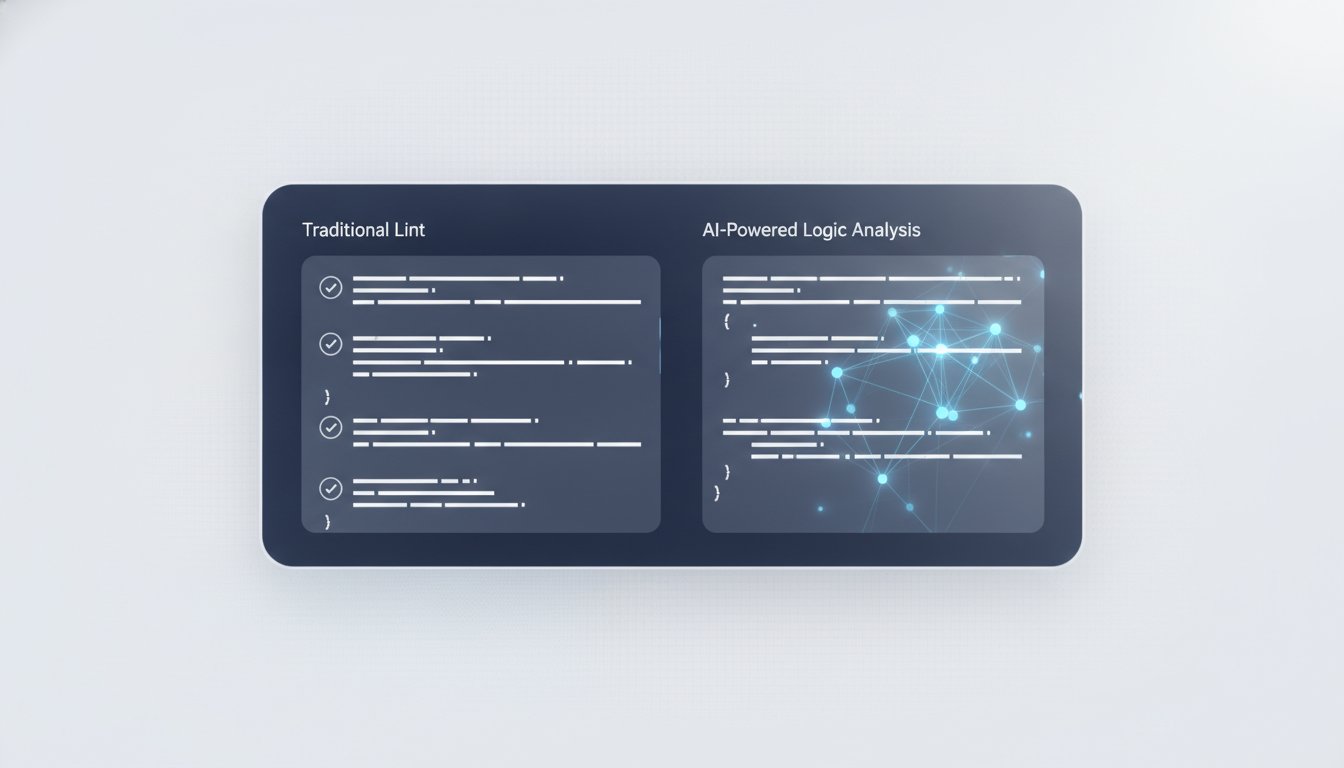
Automated Code Review for Go: Beyond Static Analysis in 2026
Go beyond static analysis in 2026. Learn how AI-powered automated code review for Go catches deep logic errors and concurrency bugs that traditional linters ...

Bito AI Code Review Agent: An Honest Evaluation Guide
A practical breakdown of the Bito AI code review agent — what it catches, where it falls short, and how to evaluate it against multi-model alternatives.
Best AI for Code Reviews 2026: Top Tools for GitHub Teams
Find the best AI for code reviews in 2026. Slash PR cycle times and escape per-seat pricing with tools that offer deep context and cost transparency for GitH...
Gerrit vs CodeMouse: Review Logic vs AI Efficiency in 2026
Explore the Gerrit vs CodeMouse debate. Learn how to replace Gerrit's high-maintenance review logic with CodeMouse's AI efficiency for faster, smarter PRs.

Code Quality Metrics for Pull Requests: Calculating the Cost of Technical Debt
Learn to use code quality metrics for pull requests to calculate the financial cost of technical debt and automate reviews for faster, predictable delivery.
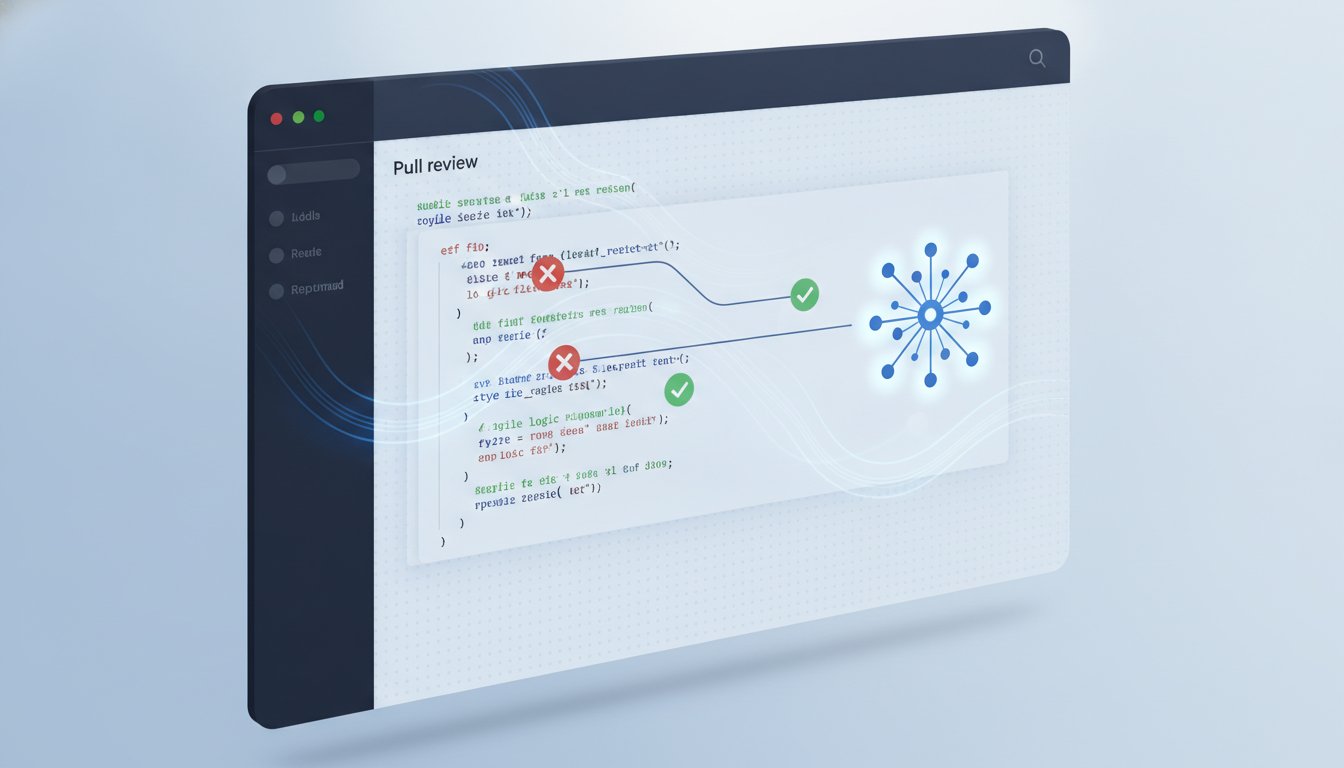
AI Linter for GitHub: Automating Coding Standards and PR Reviews
Learn how an AI linter for GitHub goes beyond syntax to find deep logic flaws. Automate PR reviews, enforce coding standards, and accelerate your merges.